Weighing Your Options With Cover Crops
Cover crops have gained a lot of popularity in the past few years across the ag industry. When managed correctly, this system can add many benefits to farming operations for both crop and livestock production. While it is up to each operation to weigh their individual pros and cons, there are a few easy steps to follow to make sure a good system doesn’t turn bad.
The good:
- Weed suppression – Cover crop blends can be tailored to help keep levels of different weeds species lower. This could help get a jump on controlling glyphosate-tolerant weeds before they get a chance to emerge.
- Increased soil health – With a diversity of plant types comes an increase in microbial activity in the soil. This can help decrease the need for commercial fertilizers as the microbial activity is helping break down residue and transferring nutrients to more usable forms. Using deep-rooted plants like radishes, turnips or sunflowers can also help break up compaction layers.
- Livestock feed – Most cover crops make great grazing or haying options to provide more livestock feed. Grazing with cattle helps continue and increase microbial activity in the rumen of the animal.
There are many more benefits that can be discussed but there are also a few challenges that need to be evaluated as well.
The challenges:
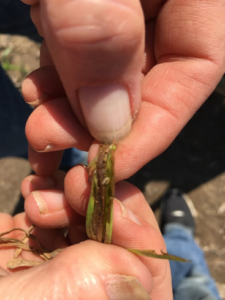
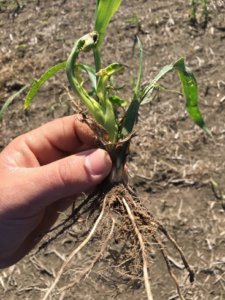
Wheat stem maggots
Increased insect activity – This could be good and bad. However, this past summer saw corn stands affected due to the transfer of WheatStem Maggots from the cover crop over to the corn. It may take a few more scouting trips to make sure situations like these don’t have a yield impact.
- Timing is everything – This applies to planting and killing the cover crop. Getting a stand established following corn and soybeans can be difficult. Some growers have opted to fly on seed prior to harvest. When doing this, seeding rates will need to be higher than waiting until after harvest and using a drill to seed the cover crop. It is also necessary to get the cover crop killed early enough it doesn’t affect the next crop. For example, cereal rye needs to be sprayed about two weeks before planting corn into it or there can be a negative affect on stand.
- Moisture conservation – Many growers are concerned that the cover crop will use up all the moisture in the profile. Every plant that is growing is using water. However, a taller ground cover could help catch snow in the winter and keep the moisture on the field. It is key to kill the cover crop in a timely manner and get 100% kill so that it is not stealing moisture from the cash crop during the growing season.
Cover crops won’t fit every farming operation. Those who choose to utilize it will surely find the benefits and will make it work for their operations. It does take a different management approach than conventional tillage or even no-till. If done correctly though, it can reduce the need for commercial fertilizer and help combat the resistant weeds which every farm is facing now. For more information, check out groups like No-Till On the Plains at notill.org or ask your Producers Hybrids dealer or Sales Agronomist in your area for more details.